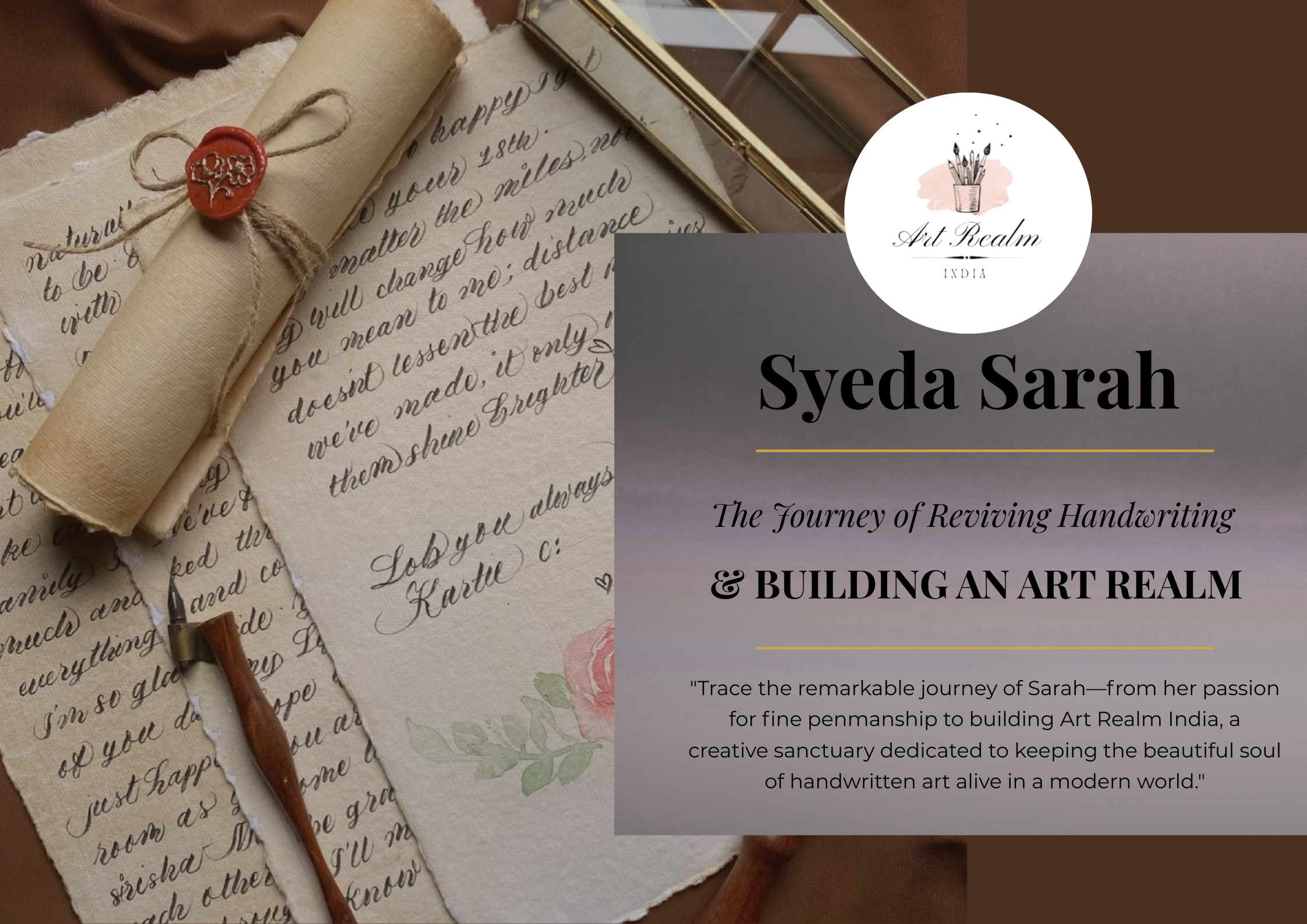
Sarah didn’t set out to build a brand. She set out to share something she loved. What happened next is a quiet kind of remarkable.
There is a particular kind of courage in choosing slowness when everything around you is moving fast. In 2022, while the world was deep in the rhythm of voice notes, reels, and three-second attention spans, a young woman in India sat down and picked up a pen. Not to sketch. Not to doodle. But to write — deliberately, meaningfully, with the kind of intention that most people reserve only for important things.
Her name is Sarah. Her page is Art Realm. And what she built, almost without realizing it, is something this era quietly craves but rarely makes room for: emotional craft.
It Started Before It Started
Art Realm didn’t begin as a business plan. It began in 2020 as an Instagram page — a personal corner of the internet where Sarah posted her artwork. She’d always had a pull toward creating things, and the page was simply an outlet, a place to put what was already inside her.
But something kept coming up in the feedback she received. People weren’t just responding to her paintings or illustrations. They were talking about her handwriting.
To Sarah, that script on the page was second nature. She hadn’t considered it remarkable. It was just hers. But when enough people stop to notice the same thing, it stops being coincidence and starts being signal.
So she listened.
By 2022, that signal had grown into a full realization. Handwritten letters — proper ones, folded into envelopes, crafted word by word — felt like an act of resistance against an exhausted digital world. They carried weight that a text message physically cannot. They took time. They showed thought. They arrived somewhere and sat there, tangible and specific to one person.
Sarah saw something in that. Not just beauty, but purpose.
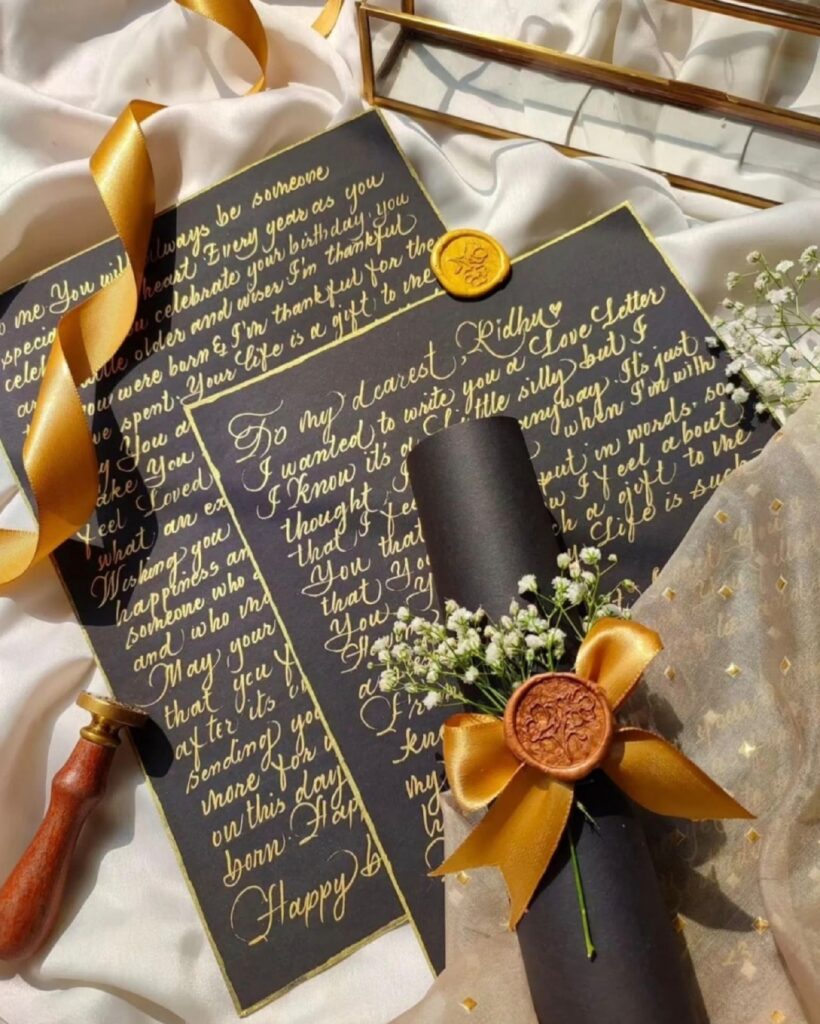
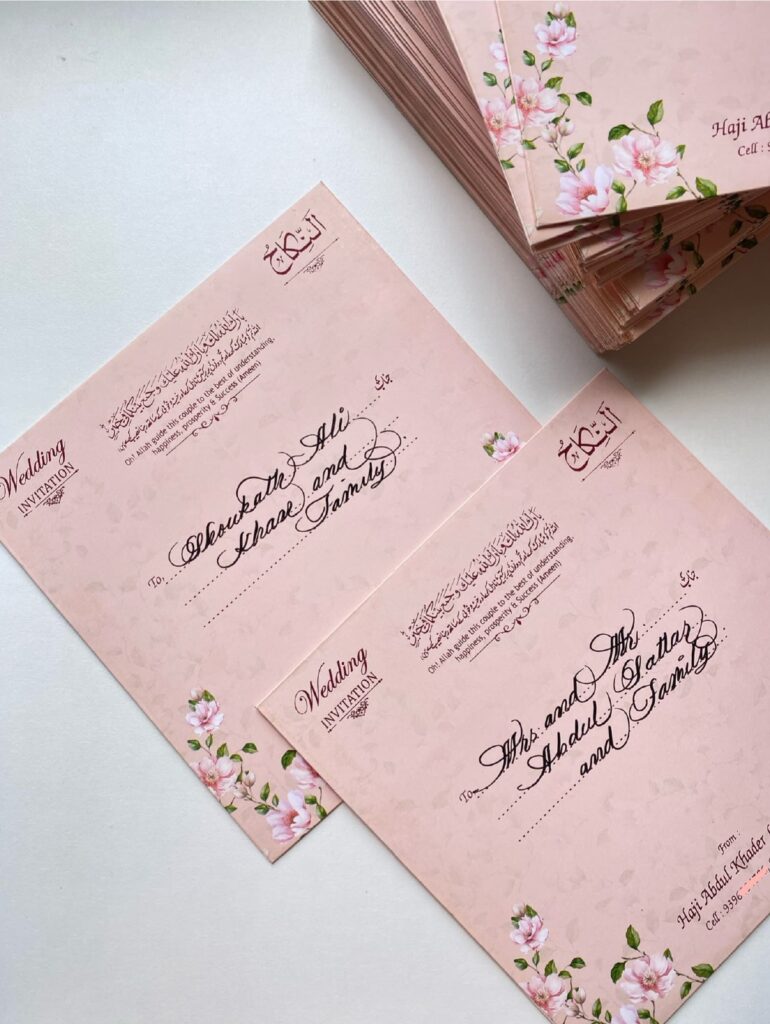
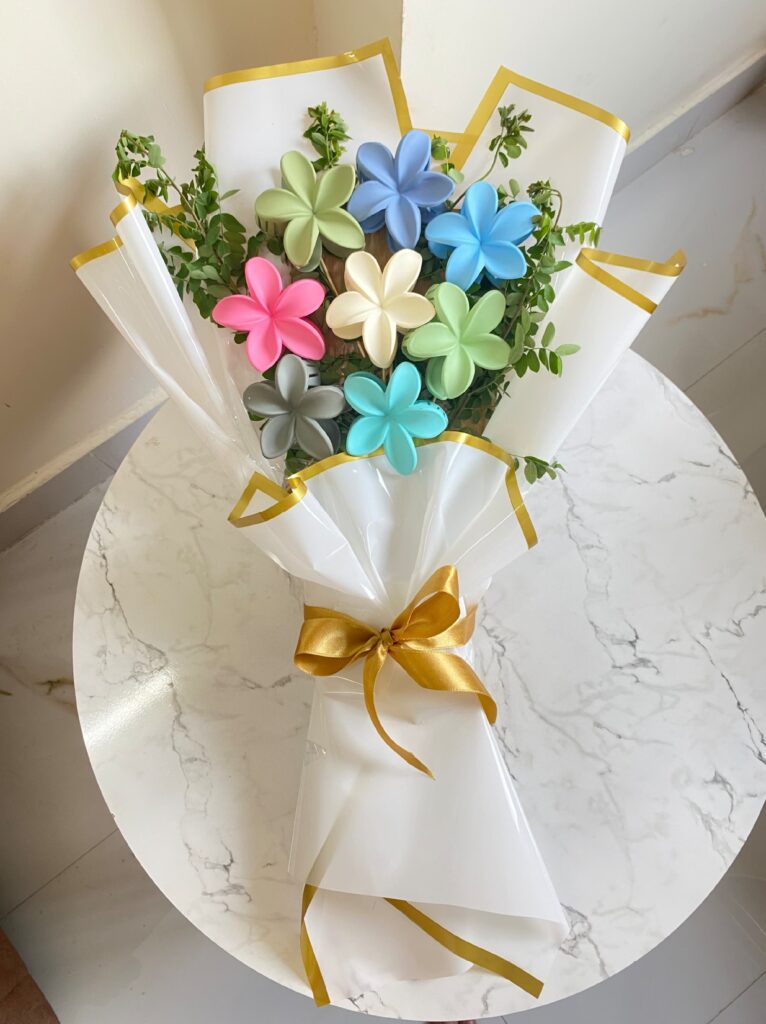
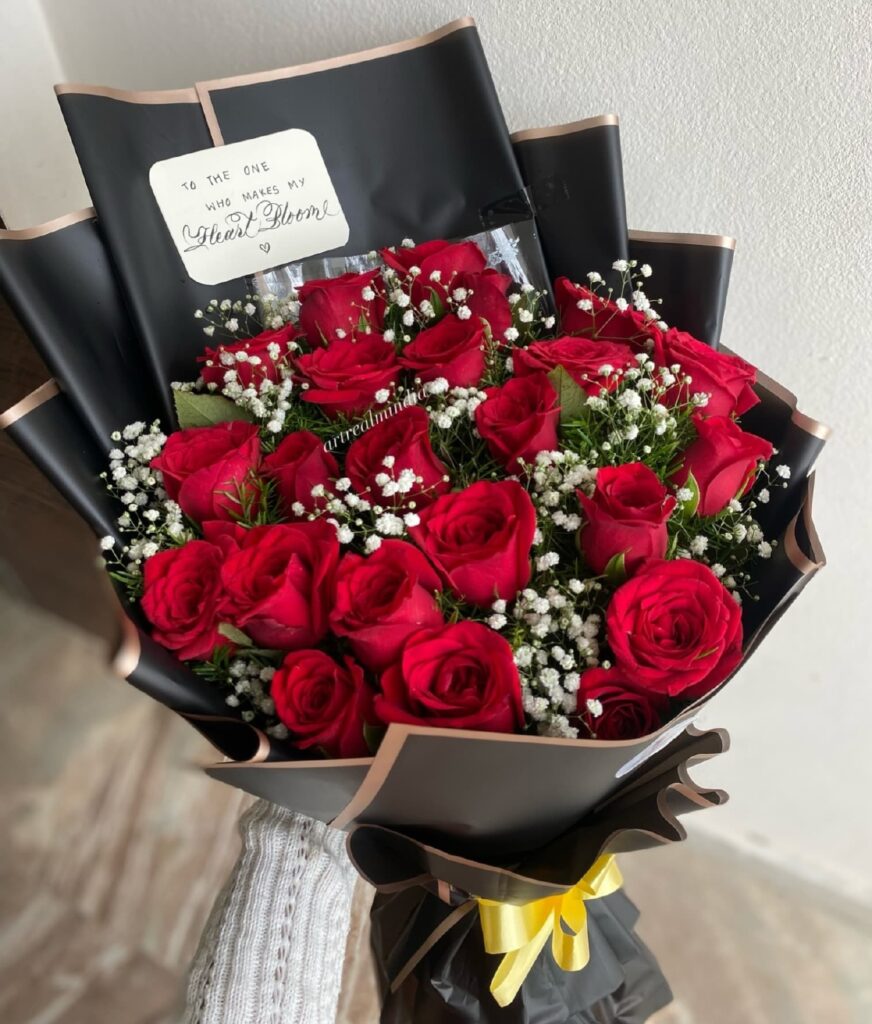
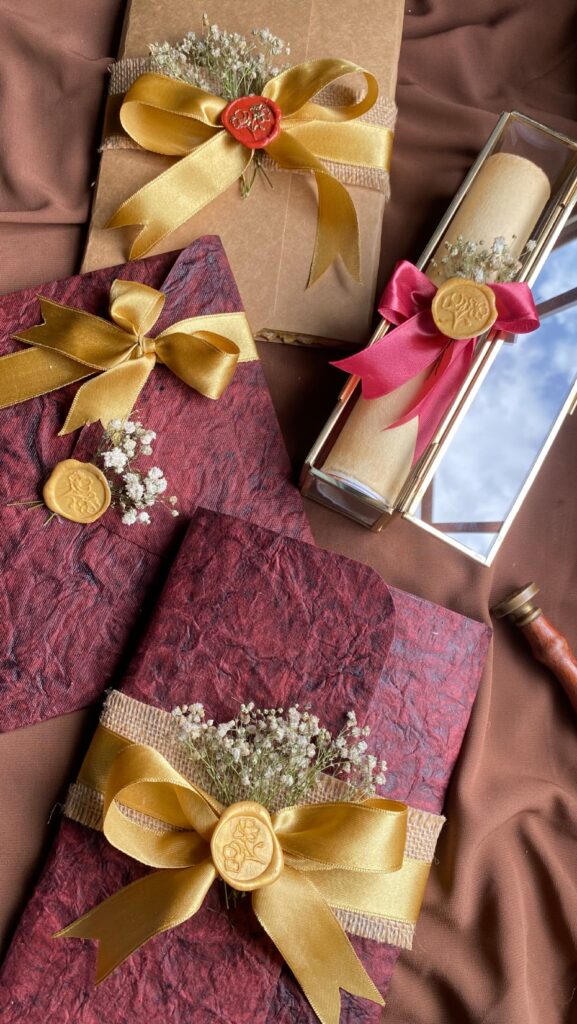
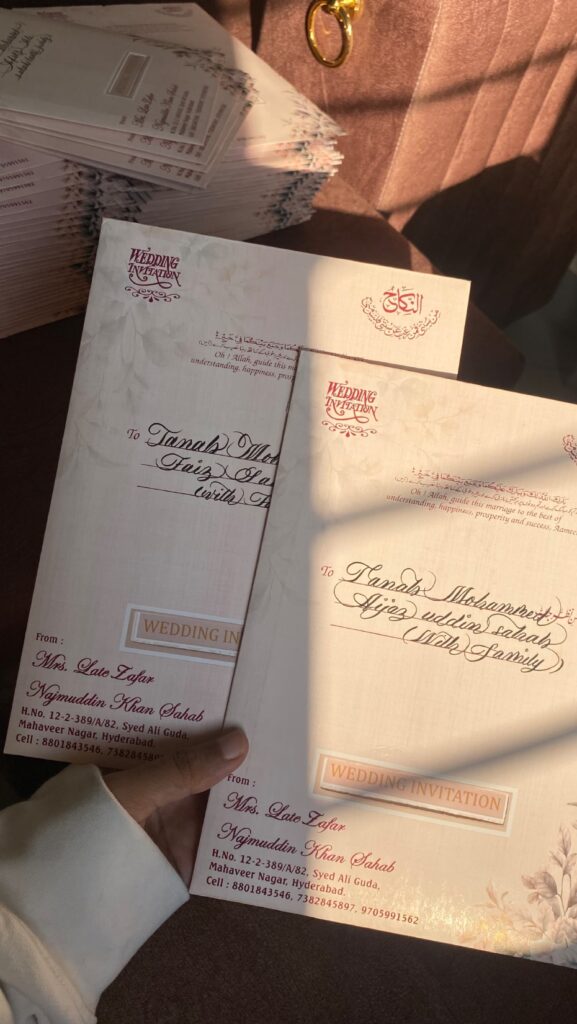
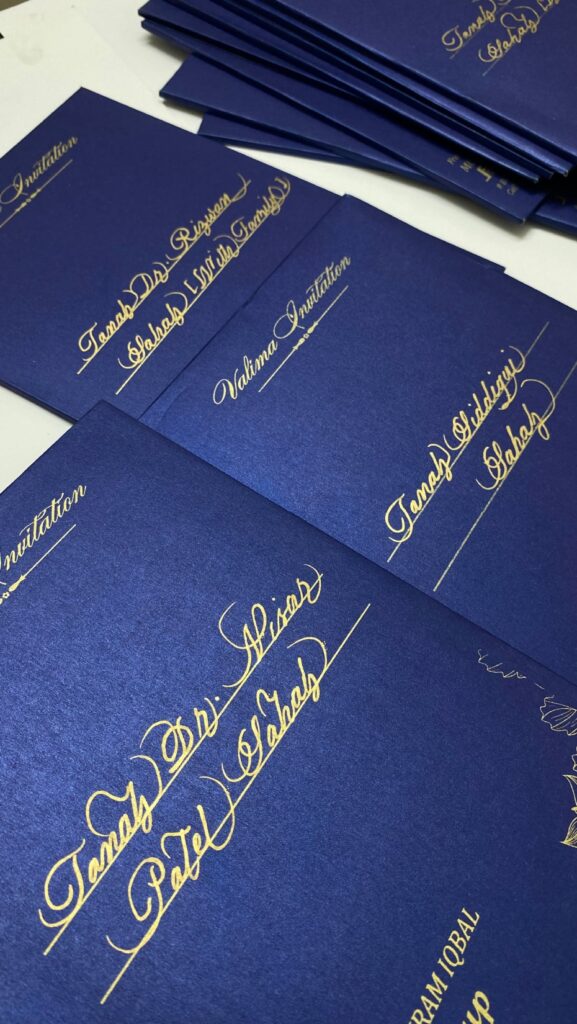
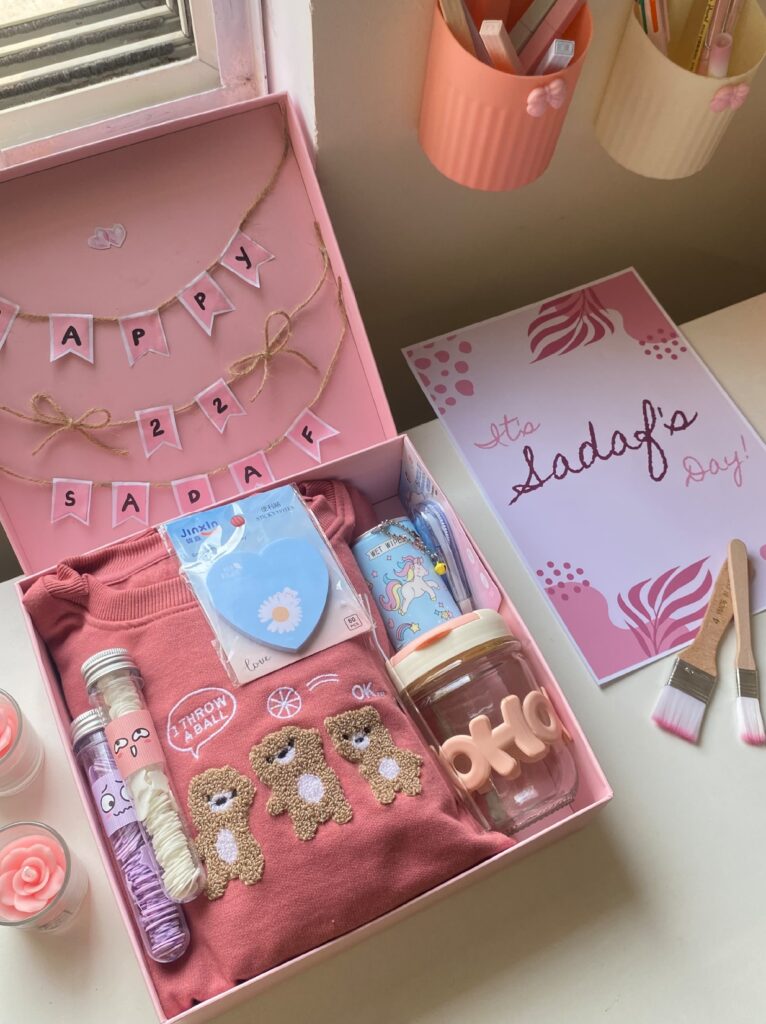
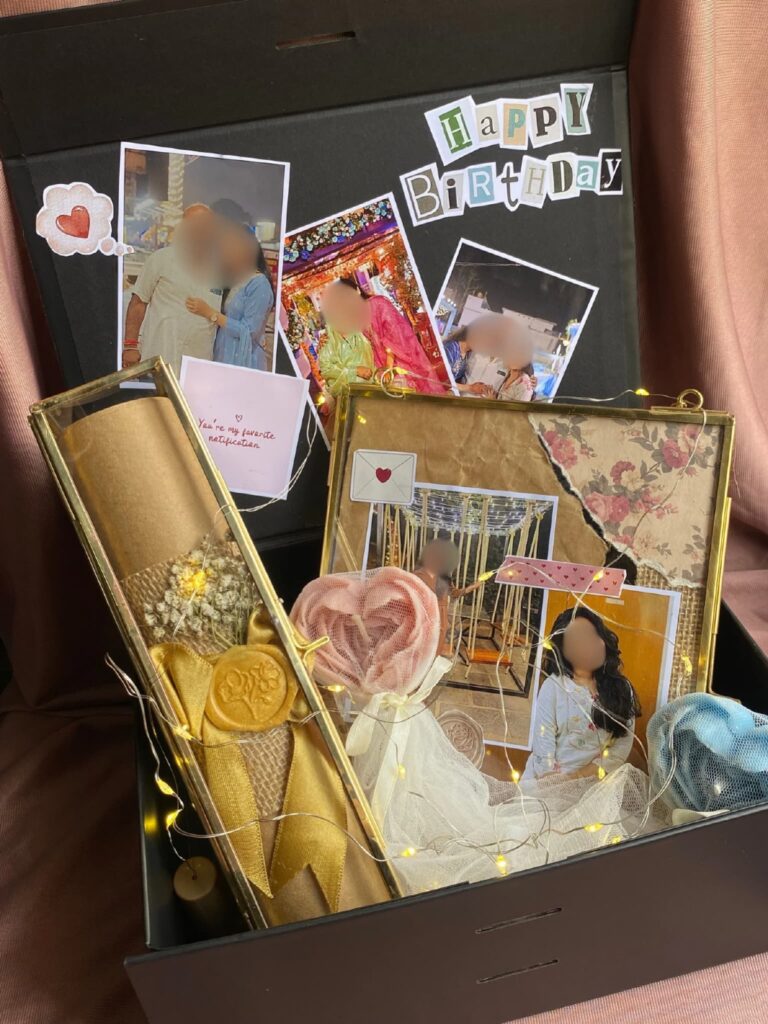
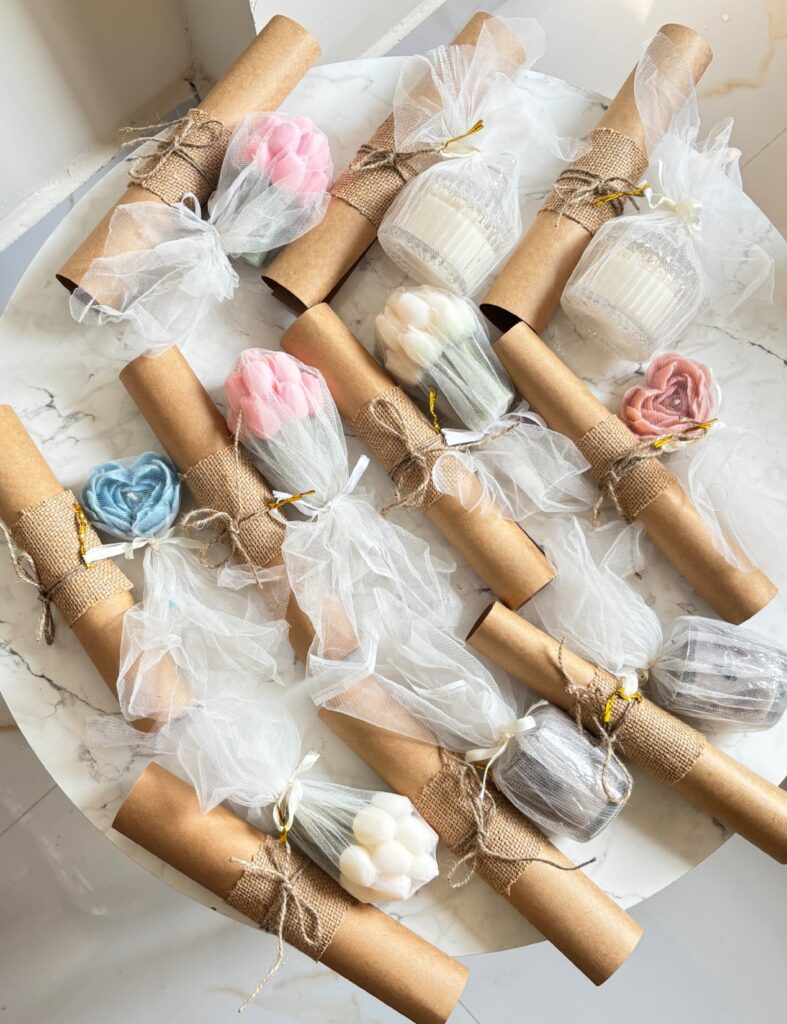
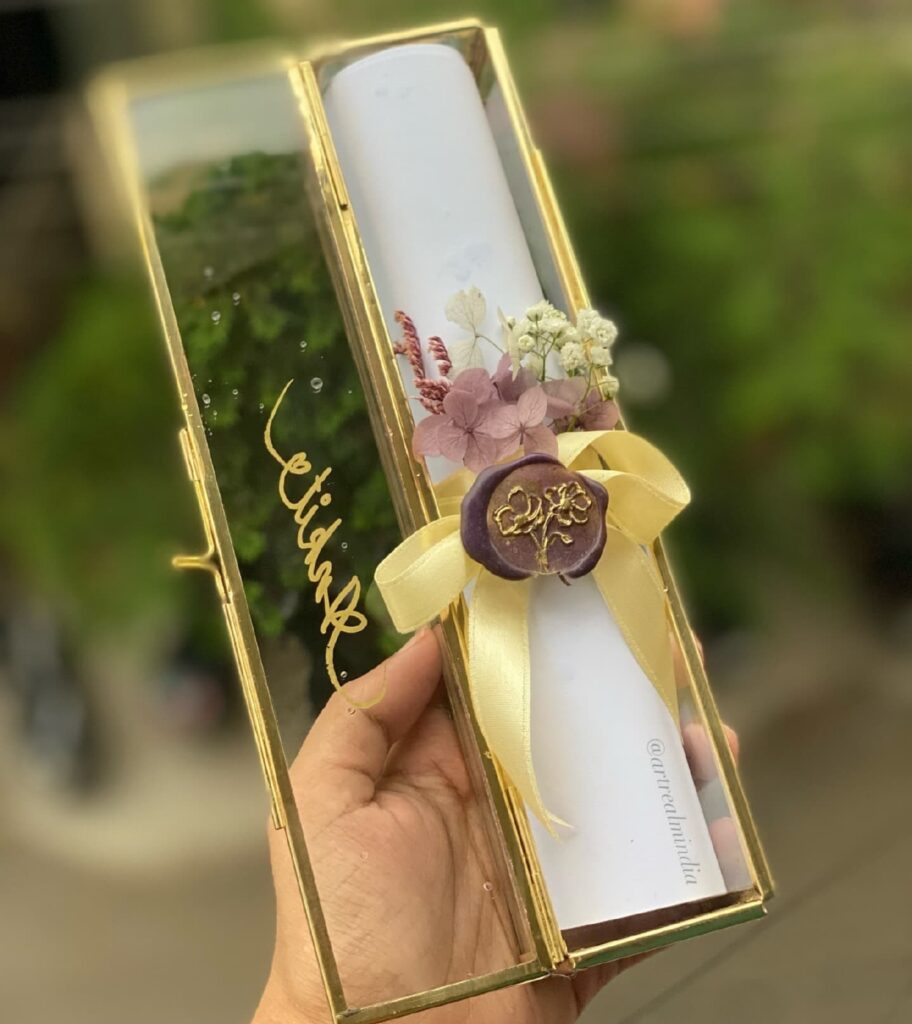
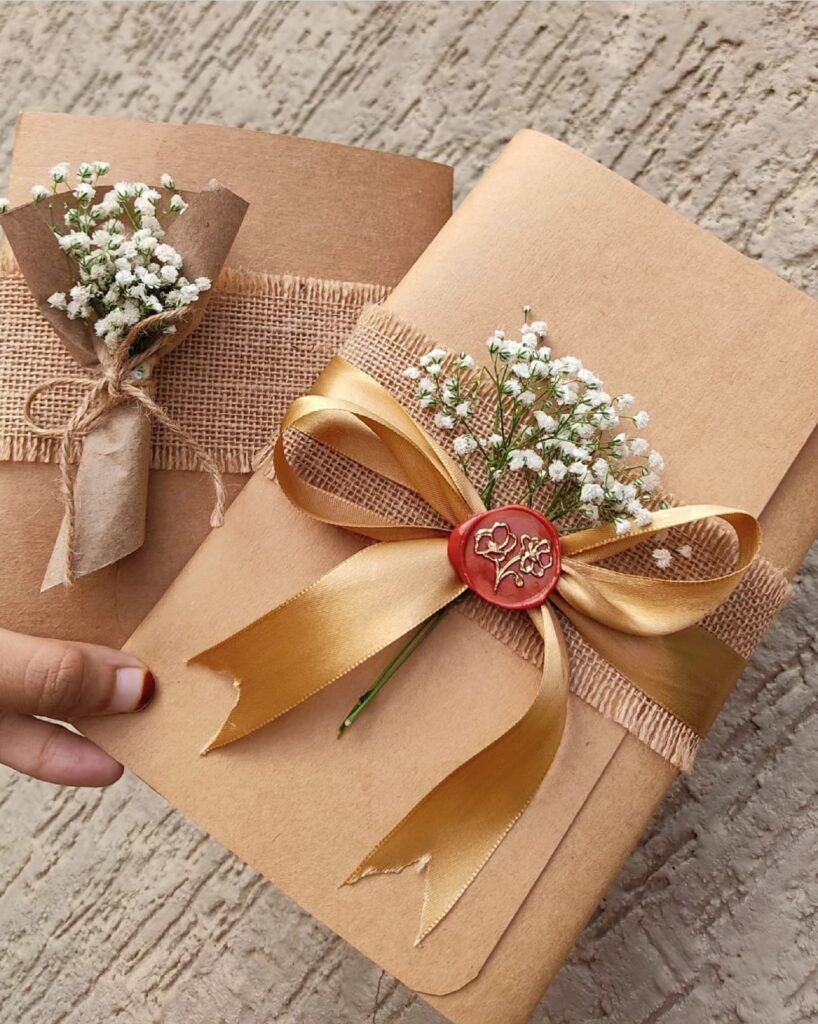
She began offering handwritten letters as a service. Then custom envelope designs. Then calligraphy. Each offering was rooted in the same core idea: that a gift doesn’t need to be expensive to be deeply felt. It needs to be intentional.
The Part Nobody Posts About
Here’s what the highlight reel leaves out: the exhaustion.
Running a small creative operation while managing academic responsibilities is not poetic. It is logistical chaos wrapped in self-doubt. There were stretches where every element of the process — taking orders, crafting each piece by hand, packaging, coordinating delivery — converged into a single, overwhelming weight.
Sarah doesn’t dress this up. She describes moments of questioning whether she could sustain both worlds, the student and the maker. There were days when continuing felt genuinely unreasonable.
What pulled her through wasn’t a motivational quote on a wall. It was something more internal — a stubborn, recurring voice that reminded her she was only at the beginning. That more was possible. That quitting now would mean abandoning something she hadn’t yet fully seen.
That voice, alongside something equally important: the response from real people.
Every time a customer came back. Every time someone wrote in to say that a letter had moved them. Every time a stranger’s kind words arrived in her inbox — those moments stacked up into something structural. They became the scaffolding that held the operation upright on the days when her own motivation sagged.
She kept going because the work was landing. And it was landing because it was real.
The People Behind the Person
No honest account of a creative journey leaves out the humans involved in it.
Sarah’s elder brother was the first to see what she couldn’t fully see in herself. He pushed her to take her abilities seriously — not in a pressuring way, but in the way that someone who genuinely believes in you operates. He was the earliest voice saying: this is worth something, you are worth something, build it.
Her sister stepped in during the peaks, the stretches when demand and deadlines collided and one pair of hands wasn’t sufficient. That kind of support — quiet, practical, unglamorous — is often what separates a creative idea that survives from one that collapses under its own ambition.
Teachers and friends circled the effort with encouragement. None of it was incidental. Sarah acknowledges this openly: what appears to be a solo journey, viewed from the outside, is never actually solo. There are people in the margins of every success story, holding things together while the main narrative unfolds.
The Moment That Changed the Scale
There is a specific point in many creative journeys where something external confirms what was previously only internal belief. For Sarah, that moment came in the form of an invitation.
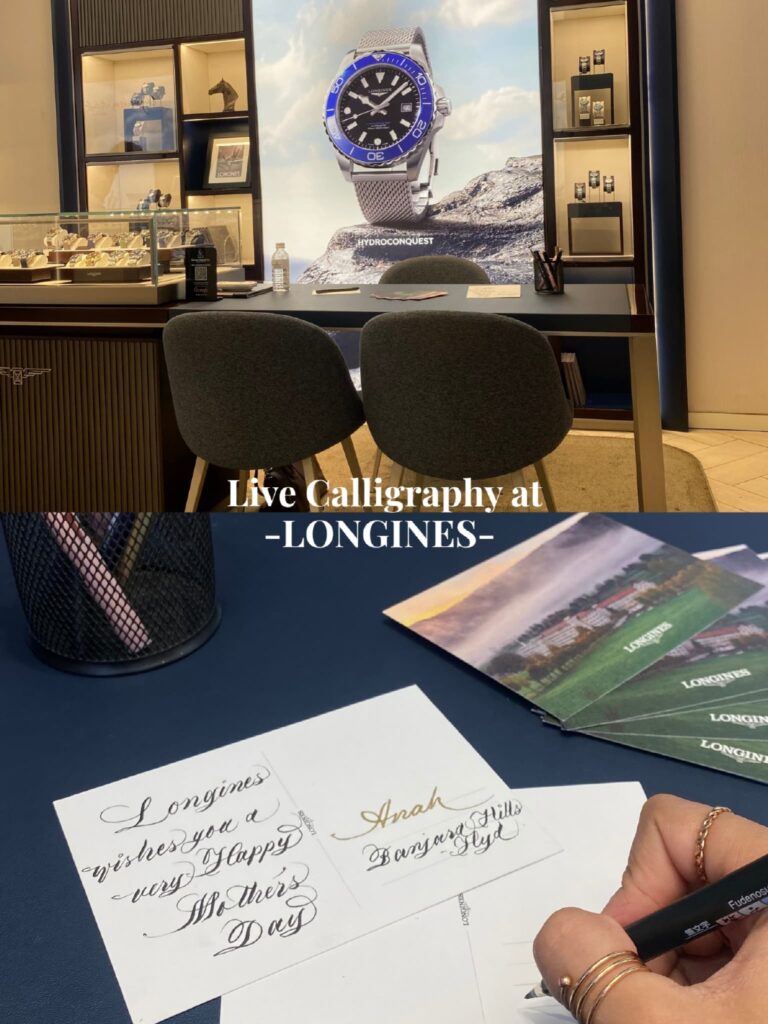
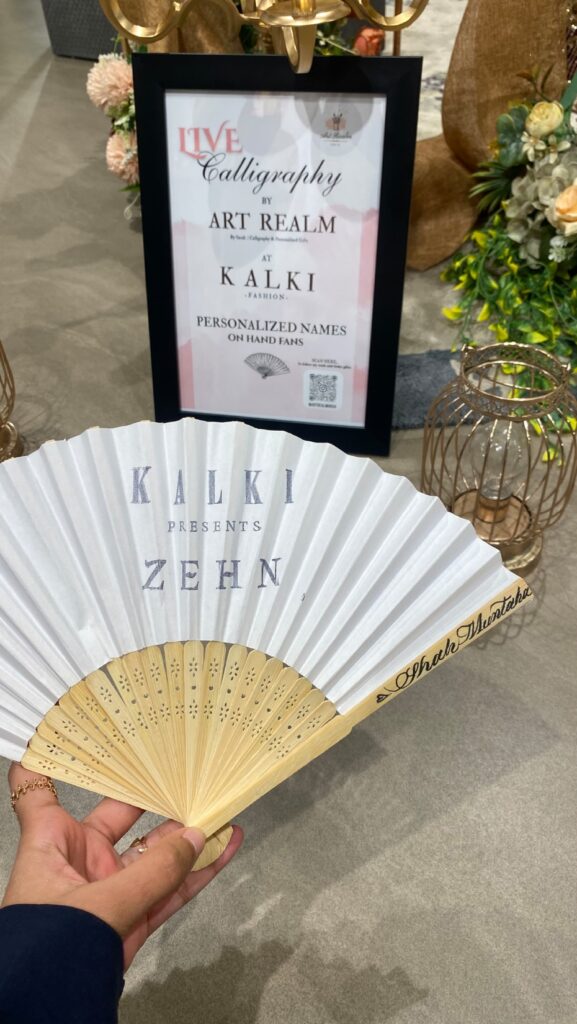
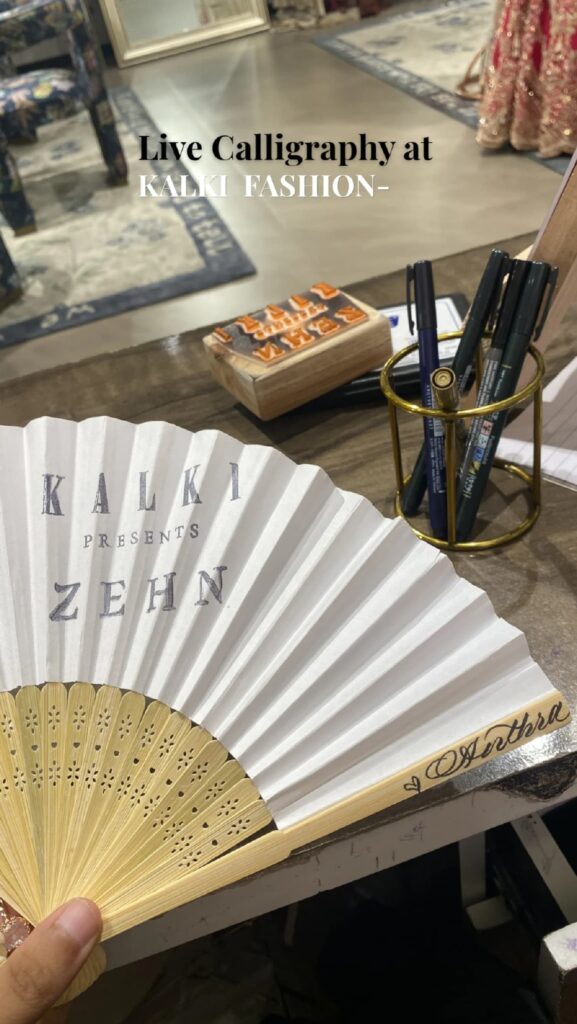
A luxury brand reached out. They wanted her — not someone like her, her specifically — to provide live, onsite calligraphy at their event.
For someone who had begun by posting art on a phone screen in her room, being chosen by an established brand for a public, premium experience was a different category of validation. It wasn’t just appreciation. It was trust. The kind of trust that comes with a professional context, an audience, and real stakes.
That invitation recalibrated something. It told her that the gap between where she started and where she could go was much smaller than fear had suggested.
On Staying Original in a World That Rewards Copying
The algorithm rewards consistency with trends. Sarah has chosen a different metric.
She measures her work not by whether it fits the moment, but by whether it creates one. The question she returns to, when deciding whether something she’s made is worth sharing, is deceptively simple: does this make someone feel seen?
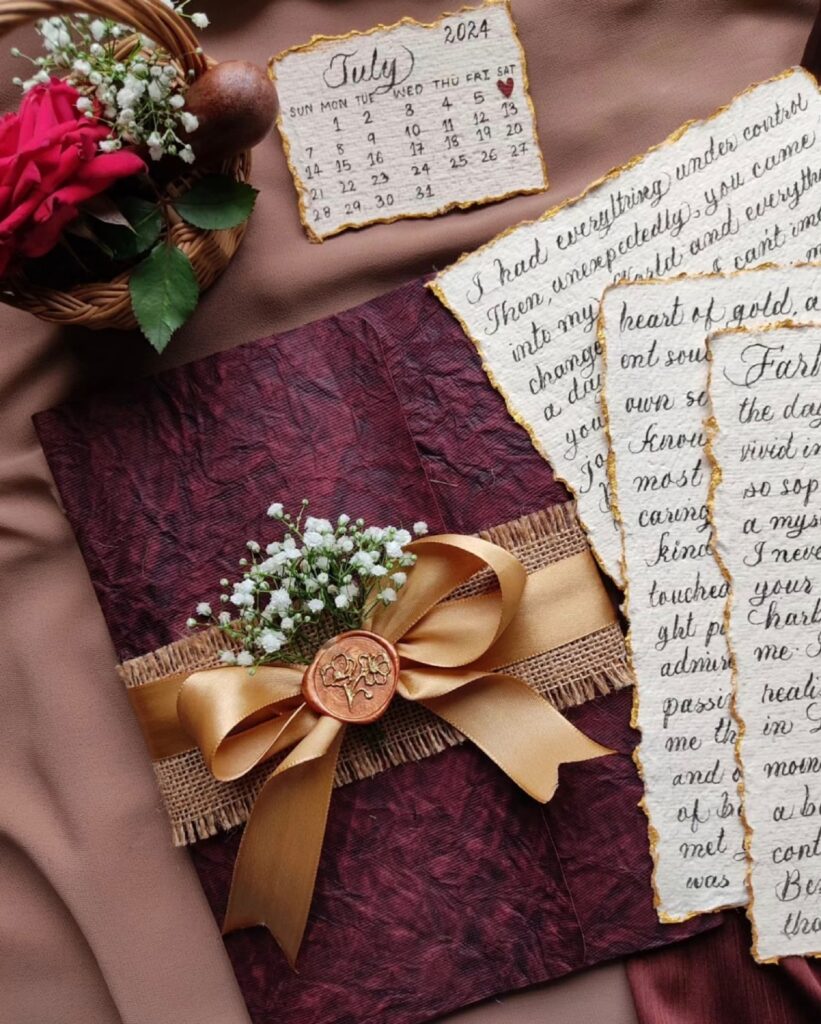
Handwritten letters do that. A person’s name in careful ink, on paper, with attention paid to every line — that communicates something that a printed card or a digital greeting categorically cannot. It says: I gave time. To this. To you.
That philosophy extends to how she works daily. She practices new calligraphy forms. She thinks about how her craft can serve people better. She reflects. Small habits, treated seriously, compounding over months into a genuinely distinctive body of work.
What Success Actually Feels Like
Sarah offers a definition of achievement that most people in creative industries are quietly searching for but rarely hear articulated this plainly.
It isn’t the follower count. It isn’t press mentions or income milestones or brand partnerships, though those things have arrived.
It is the message that comes in after someone receives a handwritten letter and finds themselves unexpectedly emotional. It is the knowledge that a piece she made is now sitting somewhere in someone’s home, inside a memory they value. It is the quiet, private confirmation that the work carries meaning beyond its transaction.
She calls this peace. And peace, it turns out, is not a byproduct of success — it’s the actual destination.
The Bigger Idea
Underneath everything Art Realm represents is a provocation worth taking seriously.
Most people have something — a skill, a tendency, a way of doing a specific thing — that others notice before they do. Handwriting, in Sarah’s case. But it applies broadly. The instinct is to dismiss these things as ordinary because they feel ordinary from the inside.
Sarah’s argument, made not through words but through years of deliberate work, is that ordinary skills become extraordinary through sustained attention. Through intention. Through the decision to take something natural and make it into something that serves others.
In a world where content is disposable and attention is fractured, there is something quietly radical about making things that last. Things you hold. Things written by a hand that chose every stroke.
Art Realm is still growing. Collaborations are coming. The audience is widening. But the core of what it is — the reason it connects — hasn’t shifted since the beginning.
It is the belief that emotion deserves craft. That people deserve to feel remembered. And that sometimes, the most powerful thing you can give someone isn’t a product.
It’s proof that someone thought of them.
Art Realm is run by Sarah. You can find her work on Instagram at @artrealmindia.